

GetApp offers objective, independent research and verified user reviews. We may earn a referral fee when you visit a vendor through our links.
Our commitment
Independent research methodology
Our researchers use a mix of verified reviews, independent research, and objective methodologies to bring you selection and ranking information you can trust. While we may earn a referral fee when you visit a provider through our links or speak to an advisor, this has no influence on our research or methodology.
Verified user reviews
GetApp maintains a proprietary database of millions of in-depth, verified user reviews across thousands of products in hundreds of software categories. Our data scientists apply advanced modeling techniques to identify key insights about products based on those reviews. We may also share aggregated ratings and select excerpts from those reviews throughout our site.
Our human moderators verify that reviewers are real people and that reviews are authentic. They use leading tech to analyze text quality and to detect plagiarism and generative AI.
How GetApp ensures transparency
GetApp lists all providers across its website—not just those that pay us—so that users can make informed purchase decisions. GetApp is free for users. Software providers pay us for sponsored profiles to receive web traffic and sales opportunities. Sponsored profiles include a link-out icon that takes users to the provider’s website.
An Explainer: Types of eCommerce Business Revenue and Delivery Models
New to the eCommerce business? We explore the 4 main types of eCommerce business models and 5 revenue and delivery models to get you started.


COVID-19 has irrevocably changed the way consumers shop.
Consumers are moving towards shopping online and are expected to stick with it. According to our COVID-19 Consumer & Employee Impact Survey, about 60% of consumers surveyed say they have been online shopping “somewhat” and “significantly more” since the pandemic. 73% say they “most probably” and “definitely expect” to keep online shopping at an increased frequency when the pandemic is over (view our methodology below).
eCommerce business is booming and COVID-19 has only accelerated that shift. Pure eCommerce platforms have experienced a sharp increase in demand since January, according to a separate COVID-19 Commercial Insight study by Emarsys.
As an eCommerce business owner, having to adapt and innovate is key to not just surviving, but thriving in this new era. This article will serve to discuss the different types of eCommerce models as well as potential revenue and delivery models.
The four major types of eCommerce business models
Most eCommerce businesses fall into the following types of eCommerce business models below. Knowing where you fit will help you think more strategically about your opportunities.
1. B2C: Business-to-consumer eCommerce
What it is: The most traditional retail model, the B2C type of eCommerce model refers to a business that sells a product or service directly to individuals and end consumers.
Characteristics of B2C businesses: Purchases that are conducted in the B2C sector typically have a lower value and a shorter sales cycle and decision making process. Clothes, groceries, and household supplies you purchase as an online consumer are all examples of a B2C transaction.
Examples of B2C businesses: Online B2C retailers that fall under this category include Overstock.com, ASOS.com, and ModCloth.
2. B2B: Business-to-business eCommerce
What it is: As its name suggests, the B2B type of eCommerce model focuses on businesses selling a product or service to other businesses, rather than directly to consumers.
Characteristics of B2B businesses: For the most part, B2B retailers sell products and services that consumers have no use for, such as office supply products. B2B sales also typically have higher value, a longer sales sales cycle, more recurring purchases, and involve a more complicated decision making process.
Examples of B2B eCommerce businesses: Online B2B retailers that fall under this category include Alibaba.com, IndiaMart, and Quill.
3. C2C: Consumer-to-consumer eCommerce
What it is: The C2C type of eCommerce model is when the consumer sells, trades, or buys products and services directly with other individuals online.
Characteristics of C2C businesses: C2C sellers are often subject to the rules and restrictions of the marketplaces and platforms they sell on, such as listing/selling fees and stricter returns. It can be challenging to scale your business because most operate as individual sellers and not brands.
Examples of C2C eCommerce businesses: Large online marketplaces like eBay enable C2C transactions for millions of sellers.
4. C2B: Consumer-to-business eCommerce
What it is: The C2B type of eCommerce model is a one in which an individual consumer sells products or services to a business.
Characteristics of C2B businesses: Most C2B providers are individuals who are service-based, and can be limited in their resources to scale.
Examples of C2B eCommerce businesses: Freelance writers, bloggers, designers, and accountants are just a few examples of individuals who engage in a C2B transaction.
The five types of eCommerce business revenue and delivery models
Next, you’ll want to think about how you can best manage and ship your inventory and products—and which types of eCommerce revenue and delivery model works best for your business.
1. Subscription
A subscription model is one that delivers customers a package of products at recurring and scheduled periods.
It’s a good fit if… you’re selling products that require replenishments and repeat purchases on a regular basis repeatedly.
Advantages: By incentivizing customers to purchase regularly, a subscription model is a great way to build up recurring revenue and customer loyalty.
Challenges: The market is highly competitive, and deciding on the right products and categories can be tricky. Most popular and successful subscriptions fall in the following categories:
Beauty and fashion (i.e., Stitch Fix)
Health and grooming (i.e., Dollar Shave Club, Birchbox)
Food (i.e., Hello Fresh, Blue Apron)
Did you know?
Some eCommerce platforms provide the option to offer configurable recurring order periods for products. Others provide additional, paid apps to implement a subscription-based eCommerce.
2. White labeling
White labeling is aimed at retailers that want to brand their own products or services. A white label manufacturer creates a generic product or service that can then be customized with a seller’s branding. It is often not limited to one retailer, and can be offered for sale to any number of retailers.
White label service vs. white label product
Example of a white label service: Company A, a digital marketing company, sells a social media online lesson plan to company B who then rebrands and sells the package as their own.
Example of a white label product: Company A manufactures a white-labeled product that is then rebranded and sold by Company B.
It’s a good fit if... you have a great idea for a product but don’t have the cash or skillset to build the product.
Advantages: Besides keeping startup costs low, white labeling is particularly effective for testing the viability and popularity of a product without having to invest in resources to designing, manufacturing or investing in production facilities.
Challenges: You need to be certain that your product is in demand. Once you’ve committed to a minimum production quantity, you’ll have to ensure that you’re able to sell and if not, be stuck with what you order.
3. Dropshipping
Dropshipping is when an eCommerce retailer lists products for sale and forwards purchase orders to the supplier. The supplier is then in charge of shipping the products directly to the customer.
It’s a good fit if... you don’t have the space to store inventory and want to save on investing in warehouse space.
Advantages: In addition to not having to put money towards warehouse space and storage of inventory, you also save on fulfillment costs by leaving the time and work of having to pack and ship orders to the supplier.
Challenges: Market research, picking a niche, and picking the right dropshipper is key to success in this highly competitive space. Shipping can also take more time and cost more, depending on where your supplier is located.
Did you know?
Key features to look for in a dropshipping software include product search and import (choose and import from dropshipping marketplaces), listing management tools (download, edit, and publish product information in bulk), as well as order and fulfilment automation (sends orders from your sales channel to suppliers for fulfilment).
4. Wholesaling and warehousing
The opposite of dropshipping, the wholesaling and warehousing model is responsible for stocking inventory and fulfilling orders.
It’s a good fit if... you have a demand for bulk orders and want to offer the lowest and most attractive pricing.
Advantages: The strength of the wholesale business model lies in its volume. Buying products at bulk gives you a higher profit margin.
Challenges: The wholesaling and warehousing eCommerce business requires a lot of upfront investment. You’ll need the cash and resources to manage inventory and stock, keep track of customer orders and shipping information.
Did you know?
Having the right wholesale distribution and inventory management software can help organize, control, and track your wholesale inventory.
5. Private labeling
In private labeling, a retailer hires a manufacturer to create a product for them to sell exclusively.
It’s a good fit if... you have a great product idea, but don’t have the cash or resources to invest in manufacturing a product in your own facilities.
Advantages: Besides lowering your operating costs, working with a private label manufacturer is typically cheaper than similar products from better known brands.
Challenges: Private labeling products requires volume to make it a worthwhile investment.
Which type of eCommerce business model best suits you?
No matter what eCommerce business revenue and delivery option you choose, there’s always an eCommerce platform that can help you grow your business. We’ve developed our Category Leaders rankings to give you a hand with your software search.
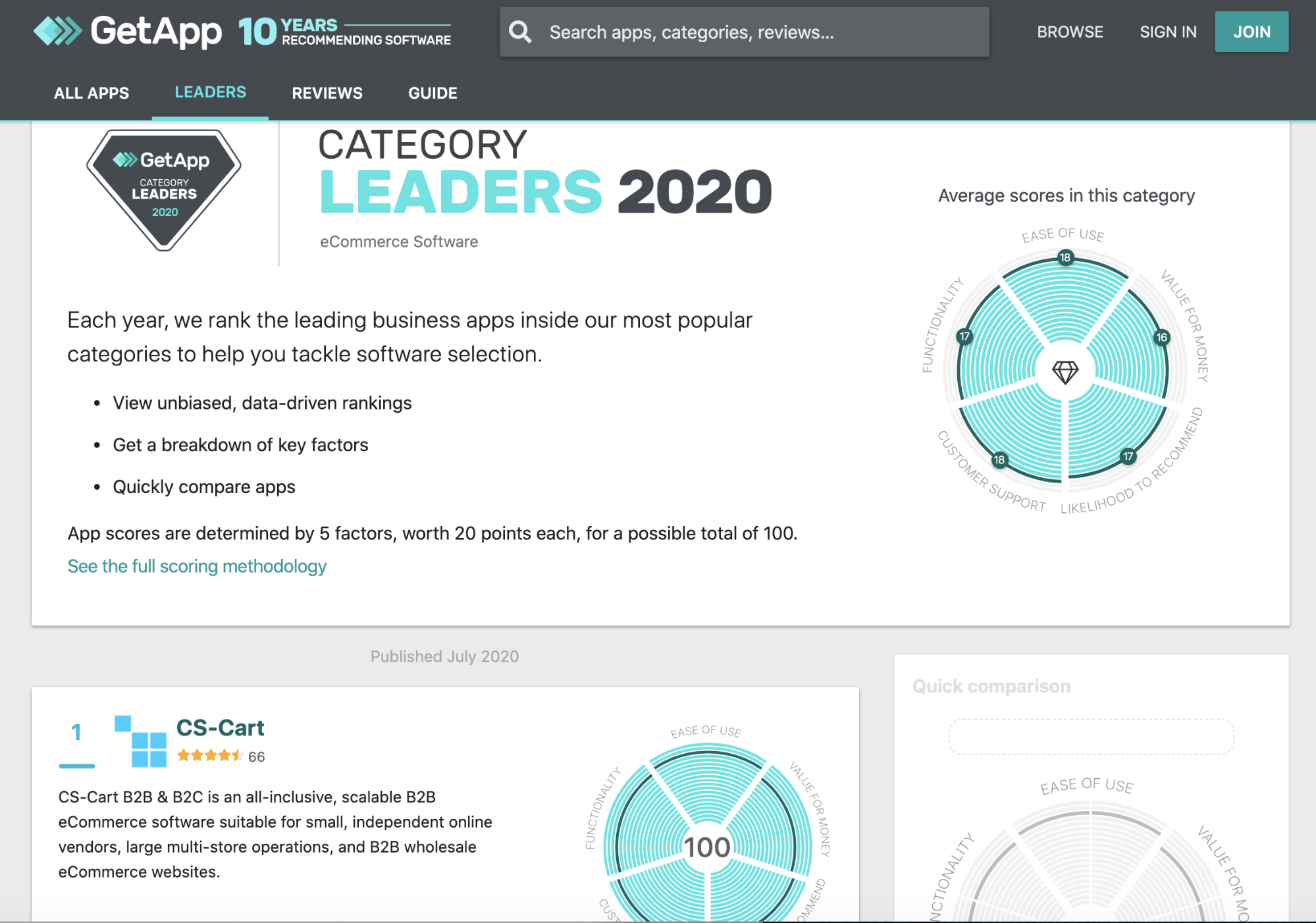
Having the right eCommerce platform ensures all the technical and operational parts of your business—from hosting, development, and design, to tracking inventory and order management, are taken care of, leaving you free to focus on your business.
Methodology
To gather the information reported in this article, we surveyed 564 respondents within the U.S. We used screening questions to narrow respondents down to those with relevant histories and experiences, and we worded the questions to ensure their meaning was understood.
More on eCommerce


Sep 02, 2022
Aug 05, 2024


Jun 13, 2024

Sep 20, 2021