GetApp offers objective, independent research and verified user reviews. We may earn a referral fee when you visit a vendor through our links.
Our commitment
Independent research methodology
Our researchers use a mix of verified reviews, independent research, and objective methodologies to bring you selection and ranking information you can trust. While we may earn a referral fee when you visit a provider through our links or speak to an advisor, this has no influence on our research or methodology.
Verified user reviews
GetApp maintains a proprietary database of millions of in-depth, verified user reviews across thousands of products in hundreds of software categories. Our data scientists apply advanced modeling techniques to identify key insights about products based on those reviews. We may also share aggregated ratings and select excerpts from those reviews throughout our site.
Our human moderators verify that reviewers are real people and that reviews are authentic. They use leading tech to analyze text quality and to detect plagiarism and generative AI.
How GetApp ensures transparency
GetApp lists all providers across its website—not just those that pay us—so that users can make informed purchase decisions. GetApp is free for users. Software providers pay us for sponsored profiles to receive web traffic and sales opportunities. Sponsored profiles include a link-out icon that takes users to the provider’s website.
6 Essentials for Building an Effective Vacation Rental Business
In the last few decades, the vacation rental industry has exploded into a $100 billion market. So how do you put your vacation rental business on the map?
In the last few decades, the vacation rental industry has exploded into a $100 billion market. With the rise of home-sharing platforms like HomeAway and Airbnb, just about anyone can list their property and easily become a host. However, not everyone knows how to make a success of it.
In this article, we uncover the six essentials for building a booming vacation rental business that’s good enough to compete with top hotels.
1. A vacation rental
First up on the list may seem a little obvious, but not when you realize that nowadays, vacation rentals come in all shapes and sizes – from tree houses to cottages, mansions to house boats, just about anything goes!
So if you’re thinking about investing for the first time, be sure to study the market carefully; do your research thoroughly in order to decide what type of property you’ll rent and where it could best make an impact.
If you already have a second property, your next task is ensuring it’s kitted out with the right stuff to make for a welcoming stay. Amenities can make or break a vacation rental experience, but as every property is different, these will also vary from home to home.
In general, providing the following will set you up for a good guest rating:
24-hour check-in
Fast and free WiFi
Maps, guidebooks and recommendations
A welcome basket
Kitchen essentials (appliances, basic pantry goods for cooking and seasoning)
Bathroom essentials (fluffy towels, shower gels, and a hairdryer)
Premium bedding and a good choice of pillows
A washer/dryer and cleaning supplies
Outdoor amenities such as barbecues, bikes or a swimming pool!
2. A good brand
With the property’s loose ends tied up and ready to go, you can get to work on your vacation rental brand. This will help you stand out from the crowd in an already saturated market. Plus, it will help build trust and loyalty with potential guests, and it’ll end up becoming the basis for all your marketing efforts in the future (we’ll come onto that later).
Your brand has to fit the identity you are trying to create for your vacation rental business, and that includes everything from its name and logo to the colors and tones of voice you use in communications.
Here are a couple of examples of vacation rentals that do this well.
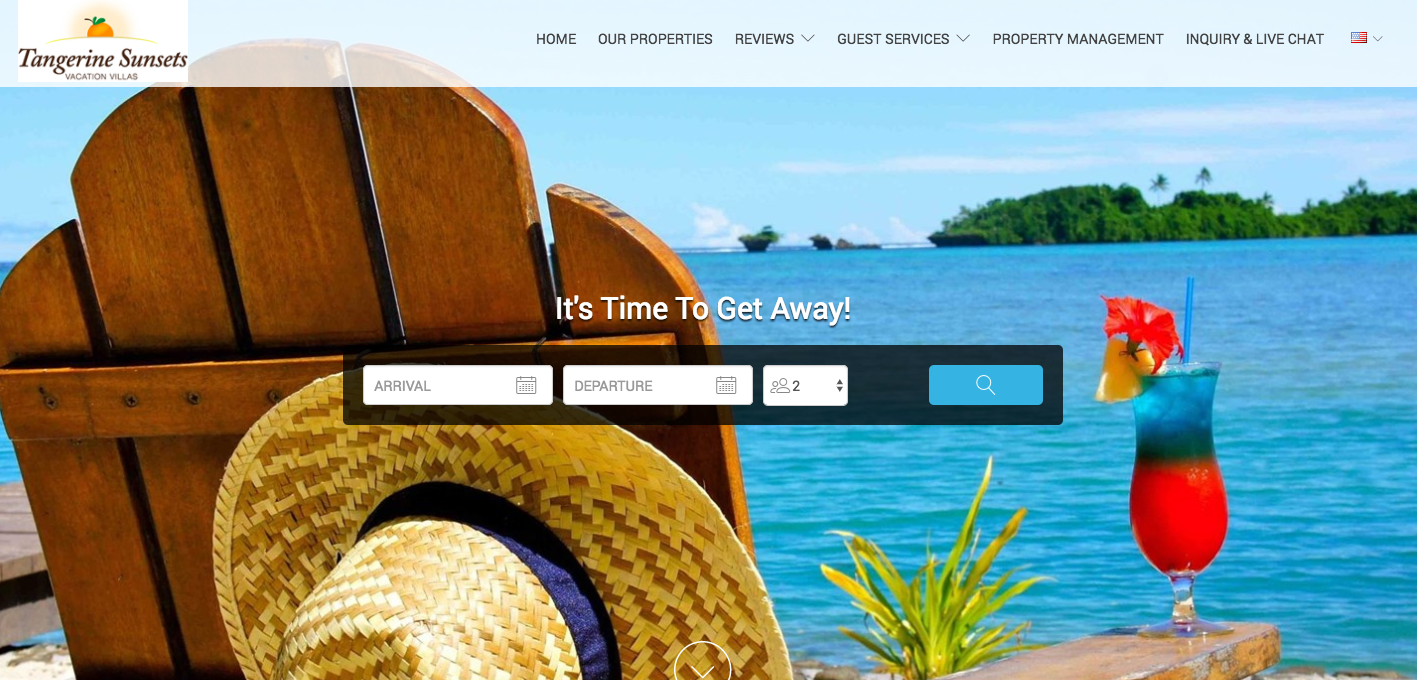
Tangerine Sunsets boasts a colorful brand logo to match the exotic destination, plus an intriguing and original call-to-action.
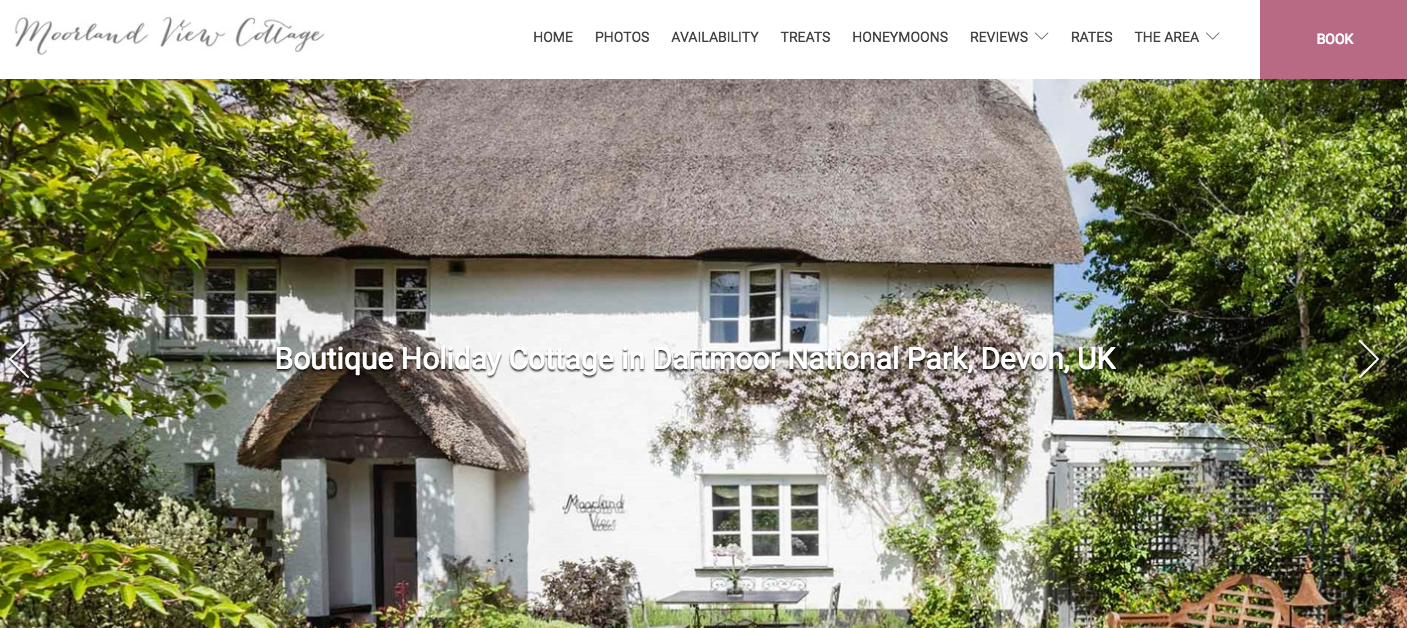
Moorland View Cottage goes the extra mile by branding the cottage itself with the vacation rental’s unique name.
Defining your brand before anything else will help your business to build (and maintain) a strong sense of identity from the outset.
3. A vacation rental website
While many hosts get by just fine with solely advertising on listing sites, an increasing number of owners are beginning to build their own vacation rental websites in order to take bookings directly.
This is becoming more and more important for full-time owners and managers, as it helps gives them the independence to run their business the way they want.
Having your own website means your business is in your hands – there are no restrictions on what you can publish, and best of all, there aren’t any commissions or additional fees to pay like there are with listing sites and online travel agencies.
In turn, a website can help boost bookings, build up your brand and credibility, and pave the way for becoming listing site independent.
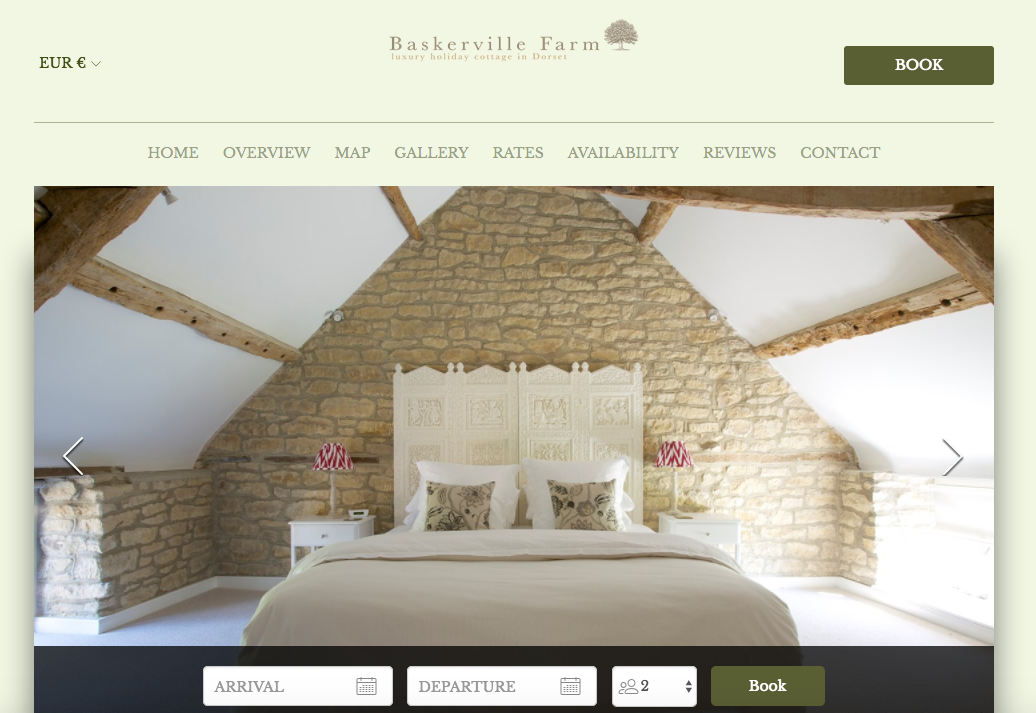
Baskerville Farm’s website is clean, consistent and super easy to navigate. The gallery photos showcased on the homepage make the rural retreat look so inviting.
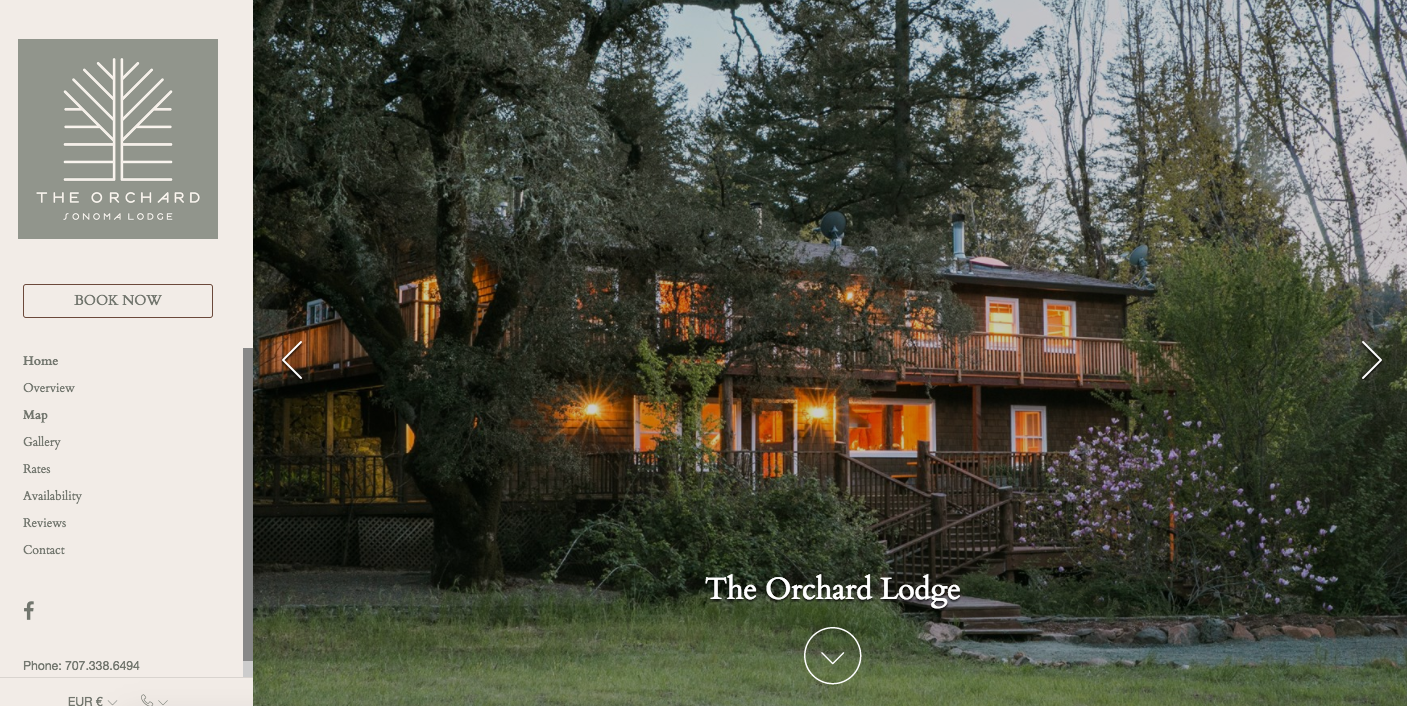
The team behind Orchard Lodge have clearly thought very carefully about the logo, photo selection and color scheme to make their website so appealing.
4. Marketing skills
We’re not saying you need to have a Master’s degree in marketing to get started with advertising your vacation rental – far from it. With so many free marketing resources available out there, learning to market your vacation rental will be a breeze.
Reading up on the basics of online marketing techniques will soon have your website in front of hundreds of potential guests. Here are some things to bear in mind:
SEO
There are many simple SEO steps you can take which will help search engines like Google understand what your website is about. Adding headers or ‘H tags’, compressing image sizes and adding alt tags, using a customized domain name, and obtaining some quality backlinks will all help to boost the SEO juice of your site.
Social media
Linking your site to social media and actively using platforms such as Facebook and Twitter are essential nowadays. Not only will it help you to share useful information regarding your rental or area and encourage past guests to keep in touch to share their experiences, but it will also help build rapport with inquiring guests and position you as a bit of an expert.
Email marketing remains one of the most successful online marketing techniques when it comes to return on investment (ROI). It can help you persuade new guests into booking when you send them personalized emails, or convince previous guests into returning when they receive exclusive special offers.
Content
More and more vacation rental owners are turning to blogging to increase traffic to their websites. Writing about the topics you know best (such as your vacation rental local area and things to do) will help interested readers land on your pages, and convince them to book with you!
SEM (search engine marketing)
SEM is the method of gaining traffic by paying for ads on search engines like Google. You can do this with tools such as Google AdWords, by bidding on certain keywords which are most valuable to your business (e.g. your brand name, or your brand name and location). This is an effective way to get to the top of search results quickly and have more visitors landing on your site. There are plenty of SEM tools that can help you optimize and deliver paid search campaigns.
5. Bookings
The aim of the game when you’re in the vacation rental industry is getting those bookings marked in the calendar. And lots of them! While it’s not going to happen overnight, there are plenty of things you can personally do to ensure a good booking conversion:
Make sure your prices are right. That might mean starting a bit lower than your competition at the beginning in order to grab your guests' attention.
Have a quick response time and accurate calendar information. No one likes waiting days on end for a reply to a simple question, so aim to respond to every inquiry you receive within 24 hours at most.
Ensure you have plenty of information about your rental and its amenities in your description. High-quality photos and videos are also a must for getting those reservations confirmed.
6. Reviews
More travelers than ever trust other people’s reviews to help make their decision about a property – and that’s exactly why you need plenty of good ones! Encourage each and every guest to leave a review about their stay, whilst you do everything you can as a host to prevent negative reviews from happening.
You can then share your best reviews and testimonials on your website’s home page, use them in email campaigns, publish them on social media sites and more. These first-hand experiences are the most convincing marketing material you’ll have, so use them wide and far!
What are your tips for building a vacation rental business?
These are just six of the top things you need to make a success of your vacation rental business. They’ll help start you off and point you in the right direction, but in reality, you’ll never stop learning and improving!
Your rental business will grow and develop with you, and you need to make sure you have the right vacation rental software in place to support its success.
What tools do you use to manage your vacation rental business? Let us know in the comments below or on Twitter @getapp.
About the author:
Jess Ashworth is a content marketer at Lodgify. Lodgify is a vacation rental solution that allows owners and managers to easily create their own mobile-friendly website and accept online bookings. You can manage all reservations from one place and synchronize property data with external booking channels.