

GetApp offers objective, independent research and verified user reviews. We may earn a referral fee when you visit a vendor through our links.
Our commitment
Independent research methodology
Our researchers use a mix of verified reviews, independent research, and objective methodologies to bring you selection and ranking information you can trust. While we may earn a referral fee when you visit a provider through our links or speak to an advisor, this has no influence on our research or methodology.
Verified user reviews
GetApp maintains a proprietary database of millions of in-depth, verified user reviews across thousands of products in hundreds of software categories. Our data scientists apply advanced modeling techniques to identify key insights about products based on those reviews. We may also share aggregated ratings and select excerpts from those reviews throughout our site.
Our human moderators verify that reviewers are real people and that reviews are authentic. They use leading tech to analyze text quality and to detect plagiarism and generative AI.
How GetApp ensures transparency
GetApp lists all providers across its website—not just those that pay us—so that users can make informed purchase decisions. GetApp is free for users. Software providers pay us for sponsored profiles to receive web traffic and sales opportunities. Sponsored profiles include a link-out icon that takes users to the provider’s website.
5 Digital Transformation Examples Proven to Drive Customer Engagement
Get inspired by these examples of how businesses have transformed and gained new sources of revenue with some creativity.


There’s no doubt that customer expectations have evolved to include personalized online engagement and the use of digital tools to enhance their experience with your brand. As small businesses move from spreadsheets to digital tools to manage operations, there's an opportunity for your digital transformation project to deliver a competitive advantage to your business by meeting these new demands.
But a successful transformation as well as the integration of digital culture requires some creativity. Inspiration can come from learning about other companies who are leading the way in digital business transformation—and that's exactly what we'll provide here.
In this article, we'll share successful digital transformation examples to help inspire you in your small business digital transformation effort.
What is digital transformation?
If you’d like to learn the basics about digital transformation, check out this article: What Is Digital Transformation for Small Business? It provides a definition of digital transformation and discusses the benefits you can expect as a small business owner.
Examples of five digital transformation strategies
The examples we’re going to share are each based on one of the five ways we’ve identified small businesses can undergo a transformation. This model below is inspired by Gartner’s report, Digital Business Ambition: Transform or Optimize? (full report is available to Gartner clients only). We’ve adapted it to apply to small businesses.
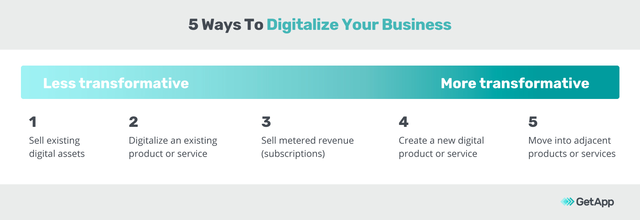
1. Sell an existing digital product or asset
The least transformative, yet also least disruptive, way of going digital is to sell any online or digital assets you already have. This could include videos of presentations or classes, downloadable templates or forms, music, or farm animals.
Example:
A very creative example of re-thinking how to profit from the assets you already have is a small UK farm that hosted weddings and events in the pre-pandemic days and has now made a pivot into the digital age: goats for video meetings. The owner of Cronkshaw Fold Farms, Dot McCarthy, has made nearly $70,000 with this new initiative. If this isn’t inspirational, I don’t know what is.
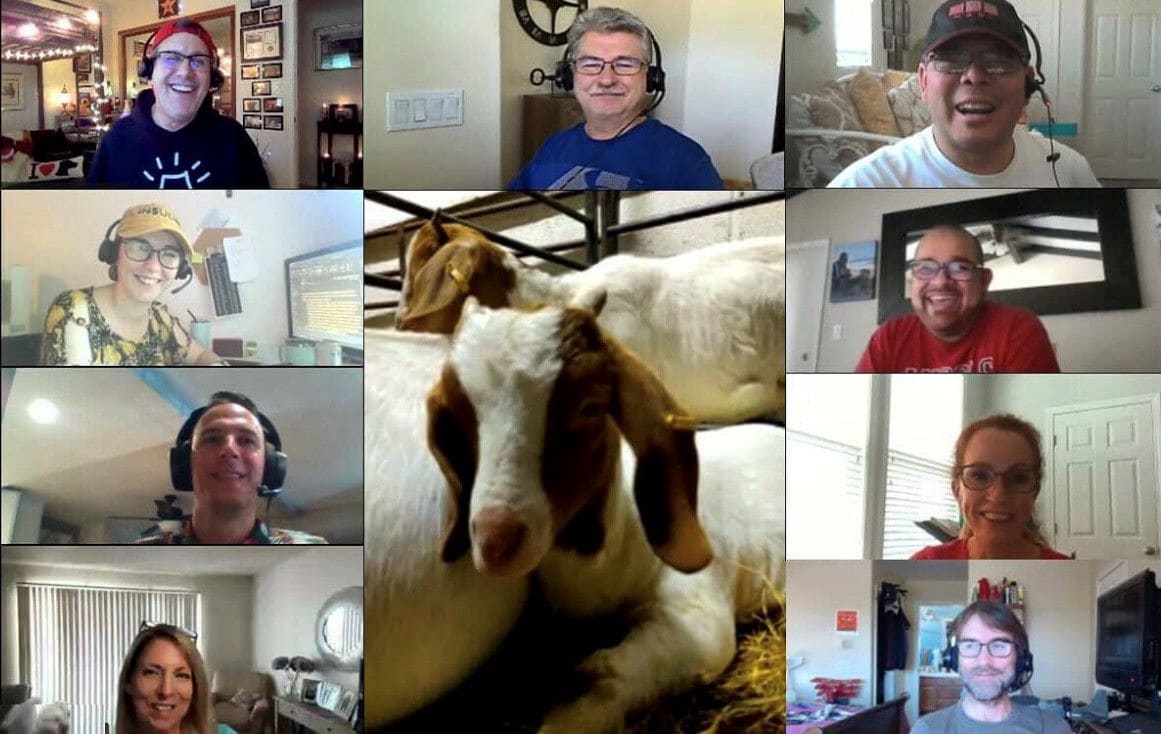
A baby goat joins a video call with a team of humans (Source)
2. Digitalize an existing product or service
The next level of digital transformation includes offering a digital experience with a product or service you already provide. Often this is achieved through the integration of IoT (internet of things) devices or smart chips.
Example:
A popular example is the digitalization of doorbells, such as Ring. They added a camera and WiFi capabilities to doorbells and have hence transformed the way we think about and use the previously overlooked little device. Who knew we’d all be buying and talking about doorbells as a digital innovation, but here we are!

Ring’s digitalized doorbell (Source)
3. Sell metered revenue
Metered revenue can be subscriptions to an ongoing series of how-to videos or licensing the use of your digital assets based on usage or time (think streaming services). For example, a yoga studio moving classes online and offering monthly memberships to join, or a videographer selling rights for the use of music, photographs, etc.
Example:
Mail seems like a traditional, if not old-fashioned, way to send and get messages but that doesn’t mean it can’t experience digital disruption. Anytime Mailbox is a business doing just that: They convert your physical mailbox into an online one so you can manage it from anywhere, anytime. Anytime Mailbox uses a subscription-based pricing model, so it’s a metered service for a virtually-managed mailbox.
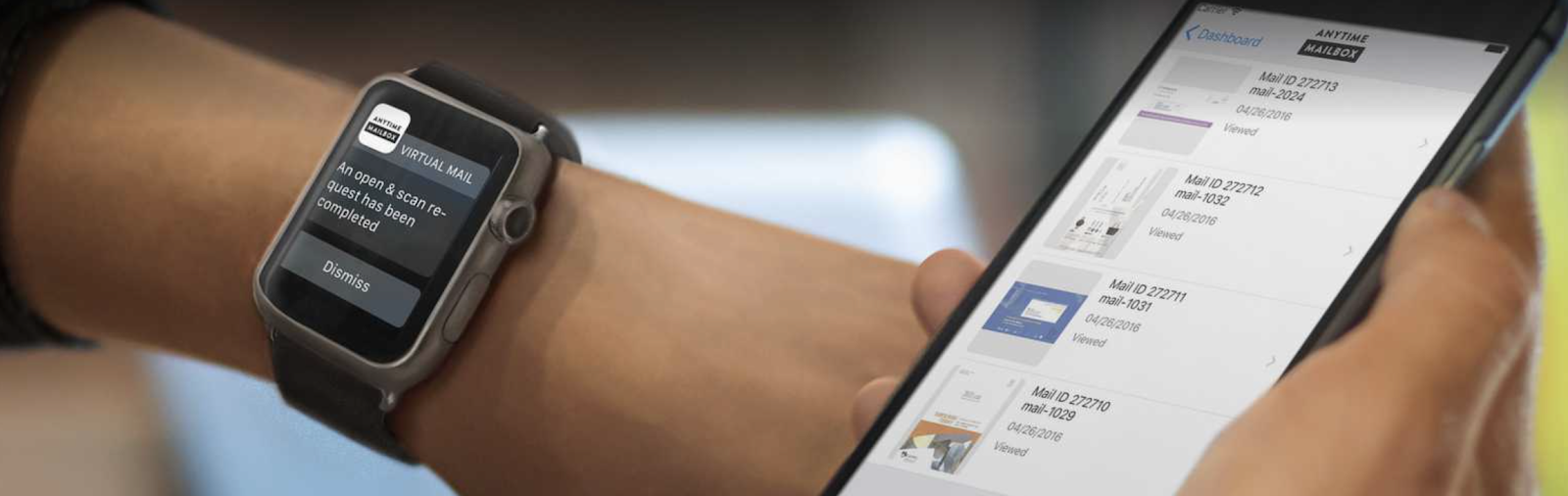
Anytime Mailbox’s mobile app (Source)
4. Create a new digital product or service
If you don’t have existing online assets, you can create one. Offering a mobile app that uses the capabilities of smartphones (e.g., camera for augmented reality) is a popular approach to this type of digital transformation.
Example:
Amy Wax is a professional color consultant and author on the subject who branched out into providing consulting services via her mobile app, Color911. Clients can create their own account to find, design, and share colors and color palettes in the app. The app has allowed Amy to expand her business to support non-professionals and DIYers in their color design efforts.
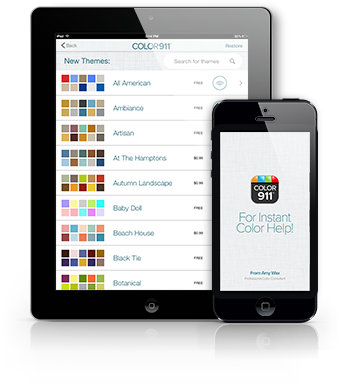
Color911 mobile app design (Source)
5. Move into adjacent products or services
When you’re ready to start a more complex digital transformation journey, look to the other interests your customers have and find a way to branch into serving those needs. You can leverage your existing expertise and embrace new technology to branch into an adjacent service.
Example:
The Game Crafter started as a web-to-print game designer but has successfully evolved to be online and physical game designers, product sellers, production resources, and a community for gamers. They’re an excellent example of branching into adjacent areas of their industry while leveraging the new technology and digital capabilities they already had.
A video game layout design offered by The Game Crafter (Source)
Get creative for your successful digital transformation
Let these examples be a source of inspiration as you design your own digital transformation strategy. You probably noticed that most of these examples have overlap with each other as far as approach and execution goes, and that’s ok! Your strategy can mix and blend the selling of existing or new digital assets with moving into an adjacent business model. Small business owners are creative and gritty, so don’t be afraid to try something new.
Recommended next steps
Learn more about how to create a digital transformation strategy in 5 Keys to a Successful Digital Transformation Process.
Search for new software to help you go beyond just digital marketing and social media campaigns to digitally transform your business. From CRMs to digital asset management software, we can help you find the exact right products.
Read software reviews from real users on hundreds of different products of every type. We also invite you to write one about the software you currently use too.
Get our recommendation for the best software based on your specific requirements with our AppFinder.
More on Tech 101




Nov 03, 2023

Dec 18, 2023

Oct 31, 2023