

GetApp offers objective, independent research and verified user reviews. We may earn a referral fee when you visit a vendor through our links.
Our commitment
Independent research methodology
Our researchers use a mix of verified reviews, independent research, and objective methodologies to bring you selection and ranking information you can trust. While we may earn a referral fee when you visit a provider through our links or speak to an advisor, this has no influence on our research or methodology.
Verified user reviews
GetApp maintains a proprietary database of millions of in-depth, verified user reviews across thousands of products in hundreds of software categories. Our data scientists apply advanced modeling techniques to identify key insights about products based on those reviews. We may also share aggregated ratings and select excerpts from those reviews throughout our site.
Our human moderators verify that reviewers are real people and that reviews are authentic. They use leading tech to analyze text quality and to detect plagiarism and generative AI.
How GetApp ensures transparency
GetApp lists all providers across its website—not just those that pay us—so that users can make informed purchase decisions. GetApp is free for users. Software providers pay us for sponsored profiles to receive web traffic and sales opportunities. Sponsored profiles include a link-out icon that takes users to the provider’s website.
How Do You Measure eCommerce Success? These 4 Tools Show You How
We ask the experts to tell us which eCommerce KPIs you should be tracking, and how to measure eCommerce success with the right tools.

eCommerce success doesn’t come easily or quickly-as an eCommerce store owner, you’ll know that it’s been a journey to get to where you are today. Measuring eCommerce success can be complicated: you need to know how many returning visitors you have, how happy your customers are, and you need to do this in an organized way over time.
Revenue, unfortunately, isn’t the only indicator of eCommerce success. While the idea of tracking so many variables might sound overwhelming, the right software and a little planning can make all of this manageable.
Why should I track my eCommerce KPIs?
Tracking eCommerce KPIs is like going to the doctor for your annual check-up. Measuring the various metrics and KPIs attached to your eCommerce store monitors the health of your business, and these check-ups can also identify areas that aren’t doing so well, and need some attention. Your eCommerce store collects a wealth of customer data that you can, and should be using to your advantage.
Maybe you’re not tracking your KPIs cause you’re not sure how to measure eCommerce success. Or, maybe you’re not tracking your KPIs because your revenue is on top form-but be sure, your competitors are using tracking measures, and are using this information to attract and retain more customers.
In this article I’ll go through some of the KPIs you should be tracking to monitor your eCommerce success and the tools that can help you track these, using feedback from eCommerce store owners.
1. Bounce rate
Tracking your site’s bounce rate will tell you how many customers enter your site, only to leave immediately or soon after. There are plenty of reasons why an eCommerce store’s website could experience a high bounce rate, including the following:
Customers can't find what they're looking for
Unappealing design, layout, or content
Complicated site navigation
Long loading times.
While only measuring your site’s bounce rate won’t tell you where your website might be going wrong, there are several tools that can help you identify where your customers are interacting (and where they’re not) with your website.
Daniel Rosenfeld, CMO at HearMeOut, a voice-based social app, uses visualization tools that enable him to see where customers are interacting with the site.
Rosenfeld says:
"I typically dive into more of a
user journey
, to understand what is on the pages that either helps or hurts the buyer's journey."
Tools to help you improve your bounce rate
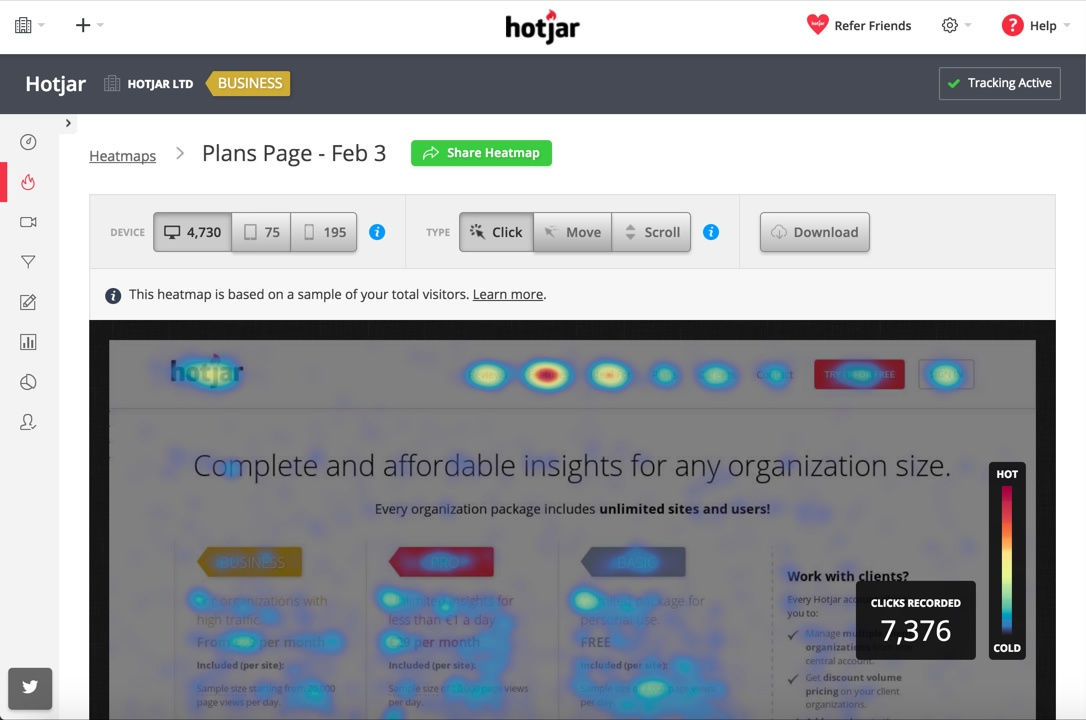
Daniel uses tools such as Hotjar to enable heatmaps, which provides users with a visual of how customers are interacting on their site, can help identify 'cool' areas where customers aren't interacting, and can help show where 'drop-offs' occur.
Daniel combines this with using Google Analytics to see which pages have a higher rate of cart advancements versus those with the lowest, to identify where there could be on-page problems.
2. Customer satisfaction
Quick quiz: Are you seeing an increase in people making one-time purchases from your store? Do you know whether this is because they only needed to purchase an item from your store as a one-off, or because they were dissatisfied with your product or with their experience on your site?
If you don’t know the answers to these questions then you can’t identify areas for improvement, or deal with customer churn.
Nick Veneris, Marketing Manager for affiliate marketing tool Refersion believes that customer satisfaction is often overlooked as a crucial eCommerce KPI to track.
He says, “There’s a lot of emphasis on sessions, pageviews, time on page, and ROI, but I find a lot of merchants still don’t know a lot about their customers’ post-purchase experience. For example, affiliate marketing currently accounts for about 16 percent of eCommerce sales and is growing rapidly.
Understanding post-purchase satisfaction levels gives you the opportunity to create a brand ambassador. Take that one step further and incentivize this same customer to create a loyal affiliate who will sell your product organically.”
Tools to help you track customer satisfaction
Survicate offers smaller eCommerce businesses an easy way to send your customers one-click post-purchase surveys to your customers to gather feedback and opinions, and also helps to segment your customers e.g. first-time buyers, high cart value purchasers.
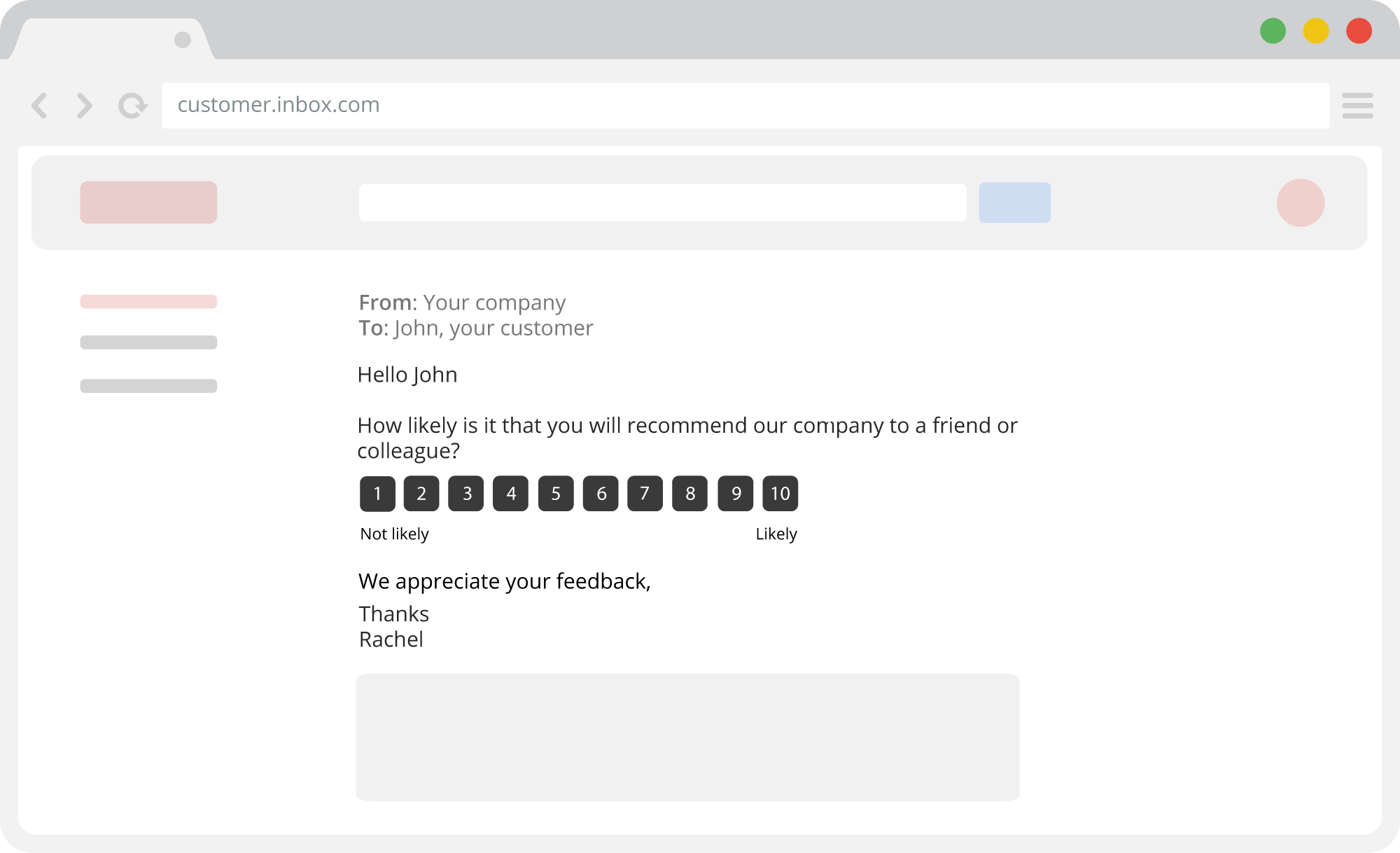
For medium to large eCommerce brands, Survicate integrates nicely with Intercom , a customer messaging app. Survicate collects customer responses, which are then imported to Intercom as customer events, attributes, and tags.
3. Goal completion
Measuring your goal completion allows you to track your business objectives and website performance.
Says Brandon Chopp, Digital Manager for iHeartRaves, “A really important KPI that is often underutilized and sometimes not even tracked at all is goal completion. When customers are coming to your website, you need to have a goal at the end of your marketing funnel.”
He goes on to say:
"An example of a goal completion would be a customer adding a product to their shopping cart and completing the purchase. Or, it could be a customer providing their email address in exchange for a discount code."
Tools to help you track eCommerce goal completion
Brandon uses Google Analytics to track his store's goal completion results. He says, "Whatever you want your goal to be, you need to have a way of tracking the results. This can be set up in Google Analytics and should be monitored month to month and year over year so you can see the progression."
Source: Kinsta
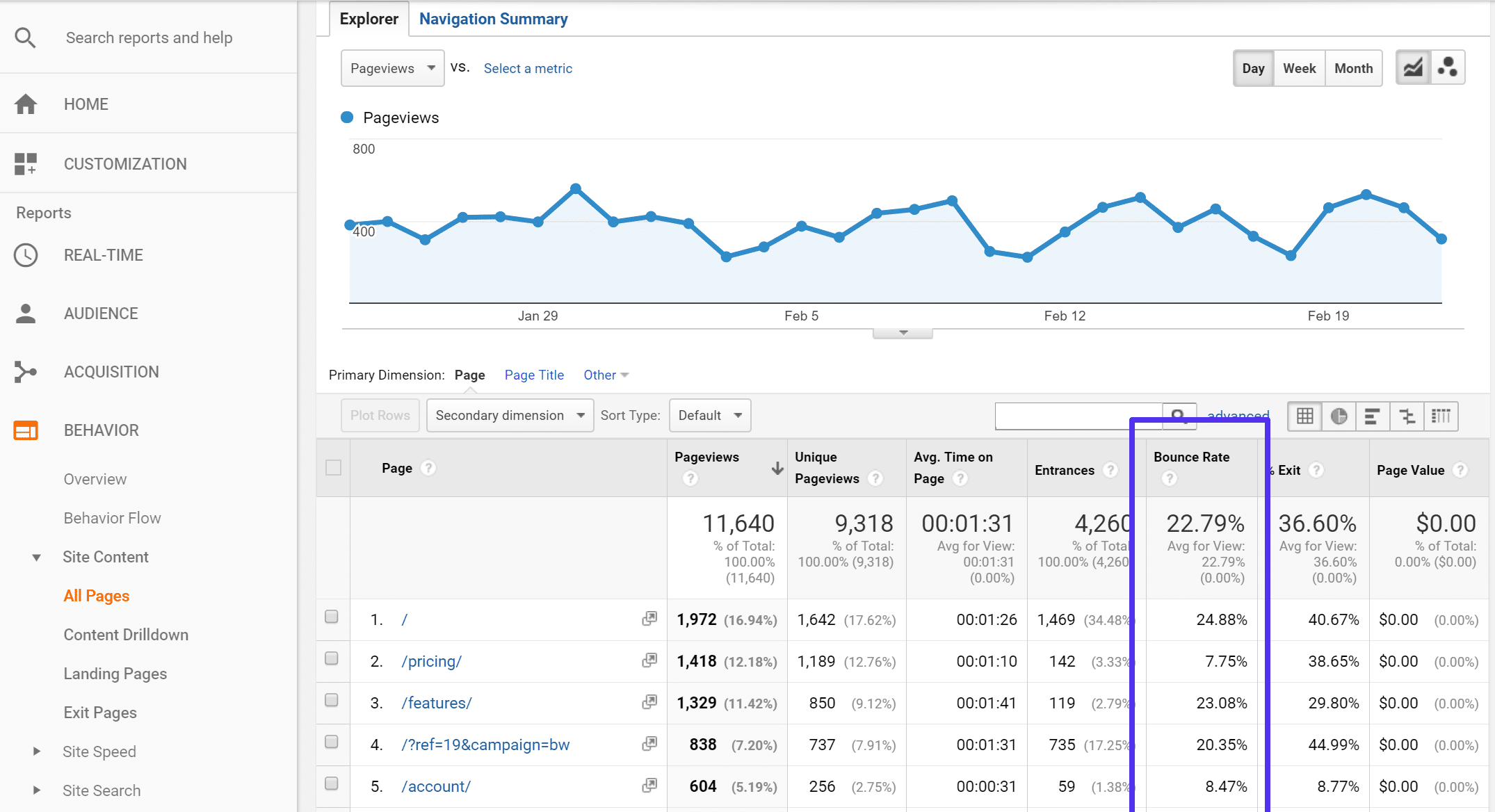
Google Analytics allows Brandon to track what he classes as a goal, recording this as a conversion. He says, "Anytime a visitor to our site completes one of the goals we've set up, it's logged as a conversion in our Google Analytics account."
As well as tracking 'macro' goal conversions, Google Analytics can also help you track 'micro' goal conversions, which can highlight what your customers do on their way to purchase.
More resources to help you measure your eCommerce success and KPIs
Explore our full catalog of website and eCommerce software for tools that can help you drill down into the nitty-gritty of your customer data.
Bandita Awasthi
More on eCommerce


Sep 02, 2022
Aug 05, 2024


Jun 13, 2024

Sep 20, 2021