GetApp offers objective, independent research and verified user reviews. We may earn a referral fee when you visit a vendor through our links.
Our commitment
Independent research methodology
Our researchers use a mix of verified reviews, independent research, and objective methodologies to bring you selection and ranking information you can trust. While we may earn a referral fee when you visit a provider through our links or speak to an advisor, this has no influence on our research or methodology.
Verified user reviews
GetApp maintains a proprietary database of millions of in-depth, verified user reviews across thousands of products in hundreds of software categories. Our data scientists apply advanced modeling techniques to identify key insights about products based on those reviews. We may also share aggregated ratings and select excerpts from those reviews throughout our site.
Our human moderators verify that reviewers are real people and that reviews are authentic. They use leading tech to analyze text quality and to detect plagiarism and generative AI.
How GetApp ensures transparency
GetApp lists all providers across its website—not just those that pay us—so that users can make informed purchase decisions. GetApp is free for users. Software providers pay us for sponsored profiles to receive web traffic and sales opportunities. Sponsored profiles include a link-out icon that takes users to the provider’s website.
The Do's and Don'ts of Email Marketing
Avoid potential pitfalls and reap the rewards of best practices with these email marketing do’s and don’ts.


According to GetApp’s 2022 Email and Social Media Marketing Survey [*], 84% of marketers from companies of all sizes rate email marketing as critical or extremely critical to the success of their business. Furthermore, 100% of respondents use it as part of their activities.
If you’re trying to gain an understanding of email marketing to create your own strategy for the first time, you may see these stats and panic. How do I get started? Am I doing the right things? How do I avoid wasting resources on subpar tactics? If you’re asking these questions, don’t worry.
Informed by Gartner research and insights from email marketing expert Dan Rauchwerk [3], we've compiled a list of email marketing do's and don'ts that small businesses like yours must adopt if they want to set up an email program for long-lasting success.
To learn more about the thriving email program Dan has helped create for his own organization, visit our recent article that answers the question Is Email Marketing Dead?
Email marketing best practices
In Gartner’s Market Guide for Email Marketing [1], they’ve identified four key recommendations that will help businesses best respond to emerging trends in email marketing.
Do execute personalization at scale to drive greater performance
An email subscriber who provides their email address gives consent for brands to connect with them, priming them for future emails and communications. Without personalization, marketers risk squandering this valuable relationship by sending content that isn’t relevant to the individual (which in turn may lead them to unsubscribe).
By utilizing look-alike audience targeting and automated personalization, brands can deliver more individually engaging email content experiences. This can boost key performance indicators (KPIs) since targeting a narrower audience generally correlates with higher engagement [2].
How do I get started?
Explore look-alike audience and customer journey tools in your business’ email platform to begin to more narrowly reach your target audience. For online retailers, popular eCommerce platforms may also offer this feature as an integration with your email platform.
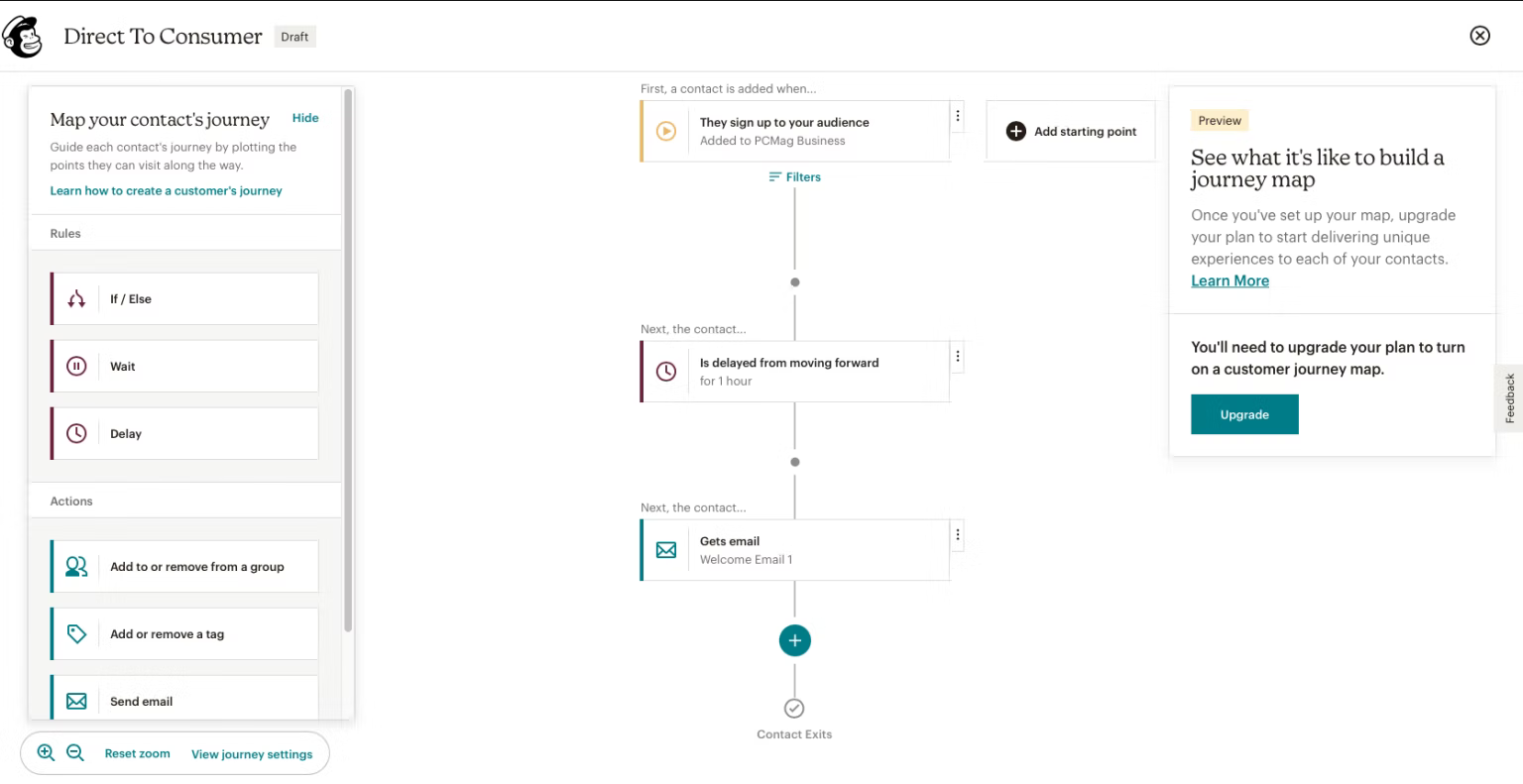
An example of customer journey mapping functionality from Mailchimp
Do reduce reliance on open rates for reporting, campaign optimization, and automation
Traditionally, open rate has been a hallmark of measuring email marketing performance. Now, however, metrics like deliverability, click-through rate (CTR), and conversions are moving to the forefront as KPIs that tell a more compelling story [1].
In fact, the results you get from measuring open rate may no longer even be accurate. Due to platform changes like Apple’s Mail Privacy Protection feature, marketers are getting less information from email platforms than ever before.
Some changes also impact deliverability as mail platforms get smarter at recognizing potential spam. This means making sure customers are even receiving your emails in the first place is a crucial aspect to consider. You can do this by creating varied and engaging content that won’t trigger this type of spam functionality.
How do I get started?
Optimize your emails for conversions by featuring a primary CTA near the top of your message. It’s ok to have secondary goals as well, but make sure your primary goal is represented by something readers can interact with “above the fold.”
Do assess whether your existing email marketing tools and processes allow you to increase performance
As a marketer looking to improve your email marketing program, it may be tempting to spend resources on marketing tools. But before you do, investigate the pain points you have with your current systems first. Compare this to the likely costs and performance benefits you’d get from platform and internal-process changes before devoting resources to new tech.
Another way to go about this is to upskill or reskill your employees. In other words, taking marketers who may be strong in one discipline and cross-training them to be proficient in email as well. Taking advantage of team development opportunities like this may be a more cost-effective way to strengthen your program before investing in platform changes.
How do I get started?
Assess your email platform to ID strengths and weaknesses. Pay particular attention to gaps in functionality and places where your tool excels. If you identify the need to switch, browse the GetApp Email Marketing Software directory to sort tools by features, integrations, and pricing.
Do analyze the performance of email in support of your overall marketing strategy
As with any marketing activity, it’s important to understand the context of your email program’s performance in support of your overall marketing goals. This includes investigating how additional customer data management capabilities and adjacent marketing technologies like SMS, push, and in-app messaging can help drive performance gains.
For example, if your goal is to increase conversions, ensure that the core of your email program promotes clicks to your website and email content engagement opportunities around your products.
Or, if your goal is to build brand awareness and increase customer loyalty, consider centering your email program around email newsletters that engages readers on a regular (but not overbearing) cadence.
How do I get started?
Analyze your overall marketing goals and compare them to the goals you’ve set for your email program. If they don’t align, refocus your email efforts to ladder up to those overarching objectives.
Email marketing practices to avoid
Don’t allow your list of subscribers to grow unchecked
As mentioned earlier, client functionality is getting smarter in automating decisions for customers. Email clients such as Gmail, Apple Mail, etc. may ding you as spam if you’re sending messages to too many inactive email addresses. It’s important to keep a clean email list and send content worth engaging with so you can avoid those features.
Curating your email list can help keep you out of the spam folder and potentially save you money. Many email platforms don’t charge businesses if they have under a certain number of subscribers. As a small business, use this to your advantage by keeping your email list in check to avoid unnecessary costs.
How do I get started?
It’s a best practice to visit your list of subscribers and clean out inactive or dead accounts. Do this once a month and adjust as your number of subscribers grows over time. This ensures you’re sending to real people that want to see your content.
Don’t engage in email marketing without a goal in mind
Before sending a mass email without a goal to keep you steady, utilize SMART goals to approach your email marketing strategy. Having a clear goal with tactics and KPIs chosen to support it will improve performance, save time and money, and better support your overall goals as a business.
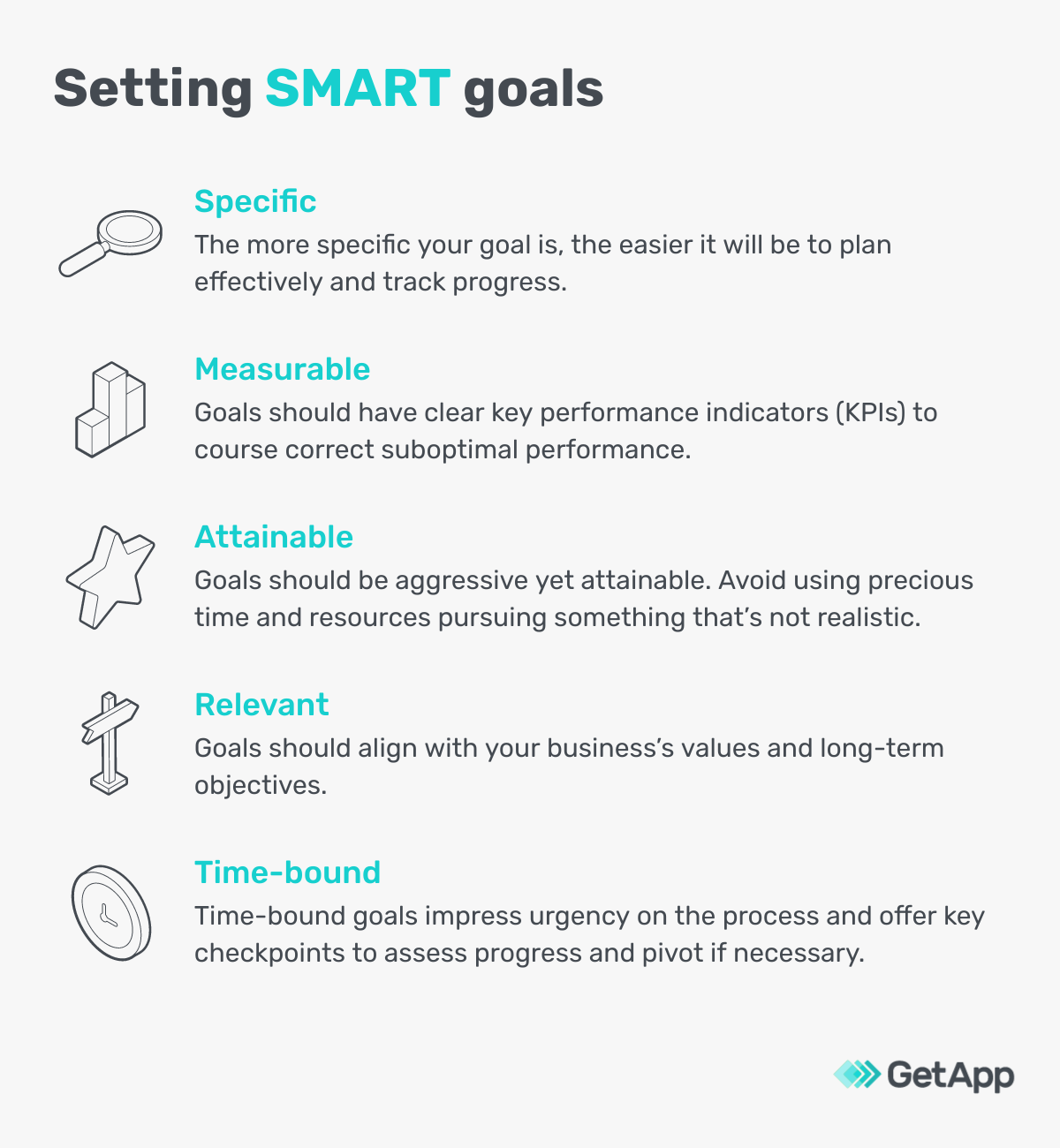
Not only that, but properly optimizing towards a specific goal means you can both track progress and improve performance as you go. For instance, if your primary goal is clicks to your website, there’s no confusion about whether or not you’re accomplishing that as it’s a single, easily trackable KPI.
How do I get started?
Choose 1-2 primary goals for your email program if you haven’t already and begin tracking their progress. Utilize analytics functionality in your email program to monitor results and conduct A/B testing to experiment with variables that may improve performance.
Don’t commit to a sending schedule that you can’t handle
One of the costly mistakes a small business can make in the beginning is biting off more than they can chew. It’s tempting to get out there and send as many emails as you can, but it may not be sustainable.
Customers are inundated with emails every day from businesses of all kinds. Not only do you want to make sure your messages are engaging and dynamic for readers, you also want to avoid sending messages that could be tagged as spam by email clients or—even worse—skipped over by readers for being too spammy.
That’s not all, though. If you’re a small business with limited resources, signing yourself up for a weekly newsletter puts additional pressure to produce content that you may not have all the time for. If you have a slow period and send lower quality emails or none at all, your customers may take notice.
How do I get started?
Focus your initial efforts on establishing a sustainable cadence for newsletter content and ensuring you have a truly robust welcome path for new subscribers. Consider email platforms with automated scheduling and triggers to help ease the burden of manually email production.
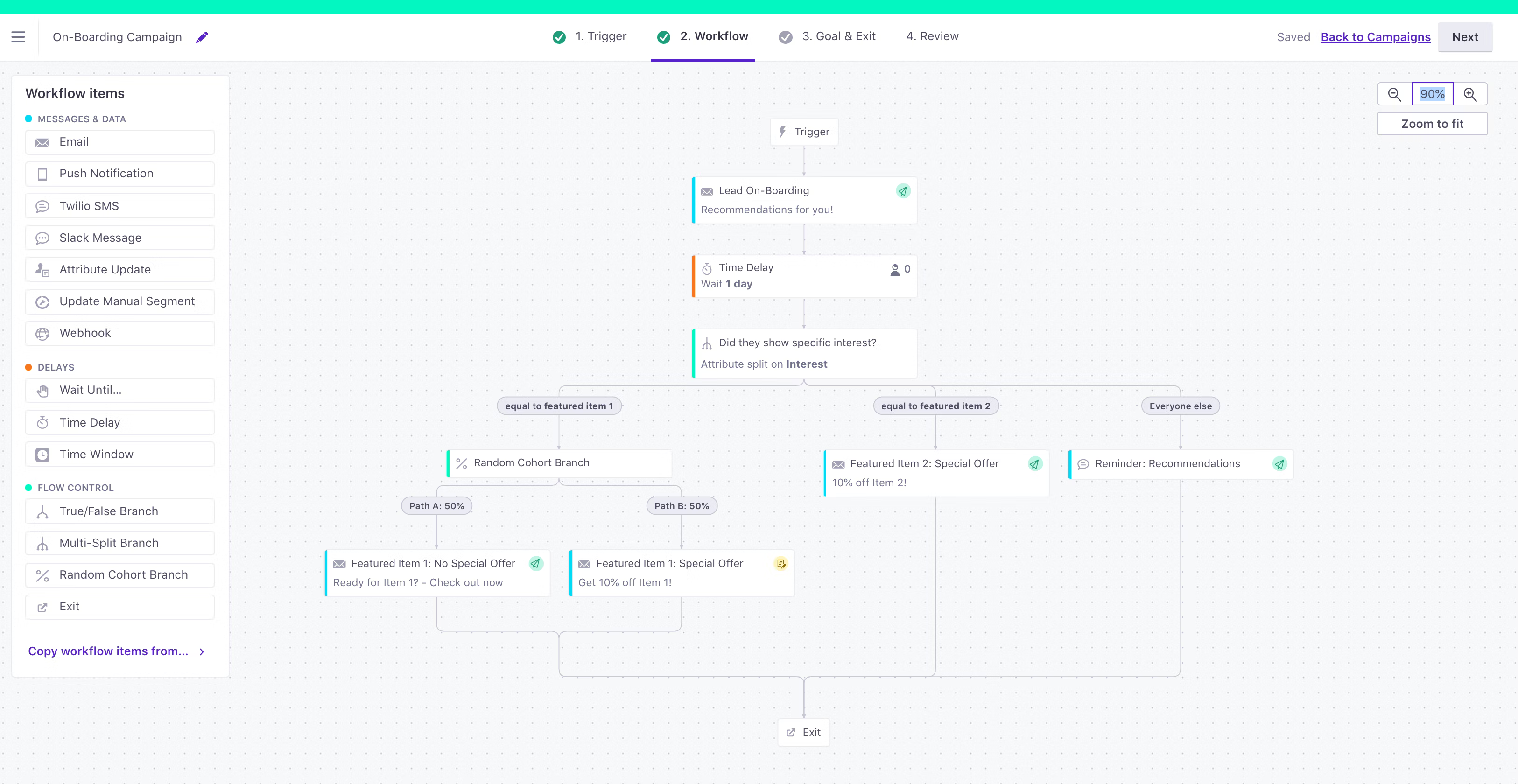
An example of an automated email workflow from Customer.io
Make your email marketing program a success story
It’s no secret that email is important, but it’s easy to fall into the trap of merely sending messages—some of which may never even be seen by readers. Armed with the do’s and don’ts of email marketing outlined above, you’re prepared to create a sustainable, long-lasting email program even with limited resources.
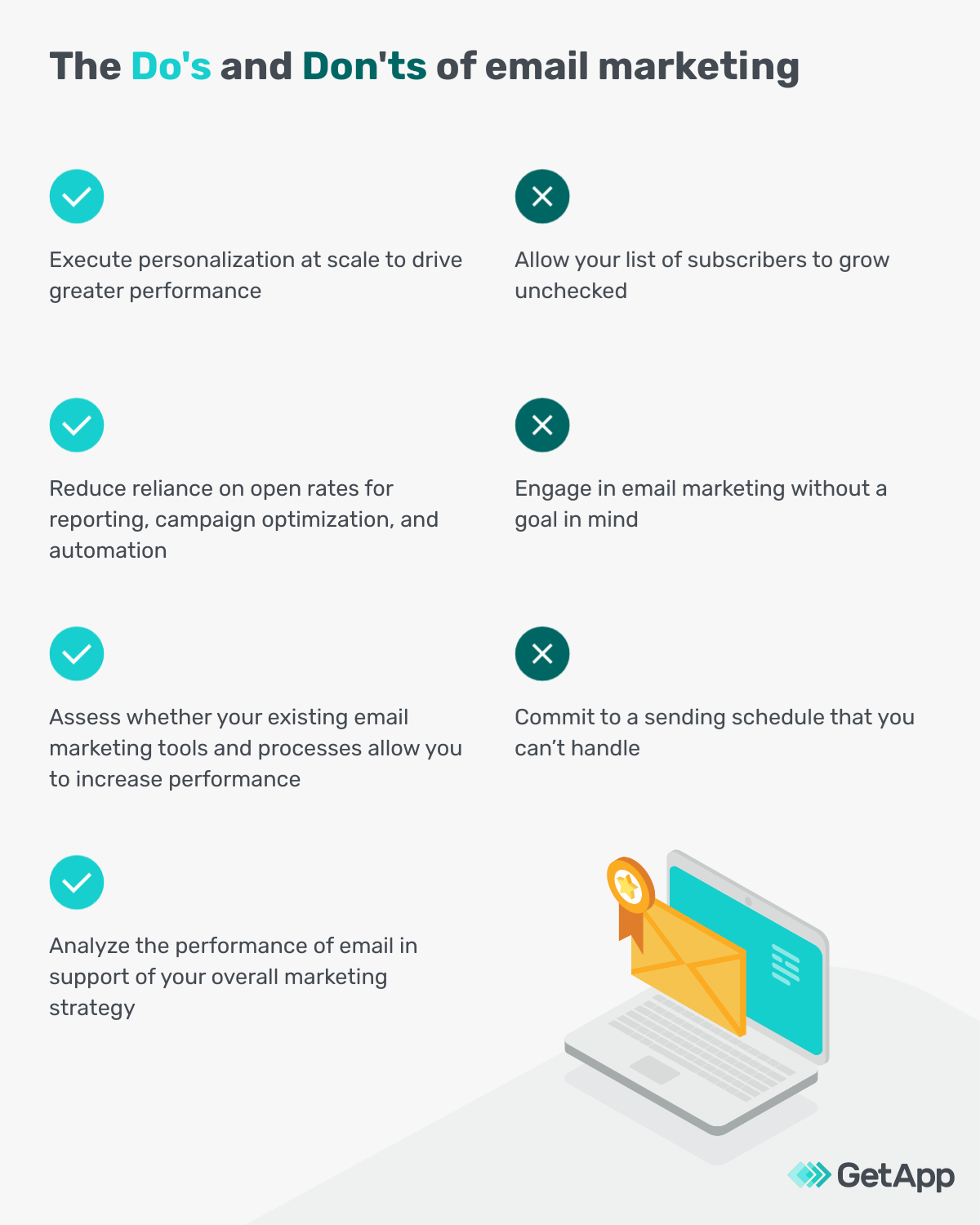
Keep these tips in mind as you work through each “How do I get started?” section, and you’ll be on the road to early success with your new email marketing program.
Ready to learn more? Visit the GetApp blog to discover more great digital marketing content, starting with the resources below:
Sources
Market Guide for Email Marketing, Gartner
Digital IQ: Email Benchmarks 2021, Gartner
About Us, Atlanta Rescue Dog Cafe
Survey methodology
2022 GetApp Email and Social Media Marketing Survey
* GetApp conducted this survey in January 2022 among 299 respondents to learn more about small, midsize and large business email and social media marketing tactics. Respondents were screened for full-time employees of all company sizes that have involvement with marketing-related activities. They must have been working within roles including advertising, brand management, customer experience or service, data and analytics, IT, marketing, product marketing and management, sales or strategic planning and be current email and social media marketing users.
Note: The applications selected in this article are examples to show a feature in context and are not intended as endorsements or recommendations. They have been obtained from sources believed to be reliable at the time of publication.